When I stopped waiting and started listening
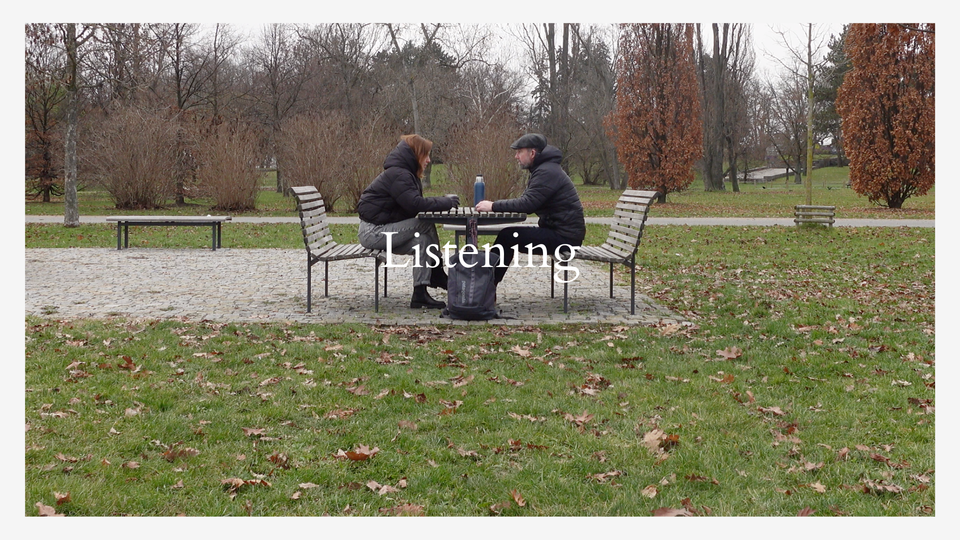
There were days when my wife was speaking to me… and I'd realise I hadn't heard a single word.
My eyes were on her, but my mind was already drafting a reply, solving a problem, or scrolling through tomorrow.
For years, I thought listening meant being quiet long enough to take my turn.
But here's what I learned the hard way:
I wasn't listening. I was waiting.
Reloading. Preparing my response.
And she could feel it every time.
You know the moments I'm talking about.
Interrupting because I assumed I already knew where she was going. Rushing the conversation because I was thinking three steps ahead. Offering solutions when all she needed was to feel understood.
Hearing her words but missing her meaning.
And with each moment like that, I was slowly eroding trust—without even realizing it.
The shift happened when I finally understood this:
Listening isn't passive. Listening is presence in motion.
It's choosing to stay with someone without fixing, judging, or steering. It's the courage to put my own mind down long enough to actually receive another human being.
I started practicing it differently. Small shifts that felt awkward at first.
I stopped formulating responses while she was still speaking. I started asking "What else?" instead of offering solutions. I let silence sit between us without rushing to fill it.
At first, it felt unbearably slow. My mind wanted to jump ahead, to solve, to move on.
But something changed. She started sharing more. The conversations went deeper. And the distance I'd been creating without knowing it—it started to close.
Now I work with leaders who've mastered the art of speaking but forgotten how to listen.
They interrupt their teams. Rush their clients. Hear problems as invitations to solve instead of understand.
We don't work on communication skills. We work on something harder: the discipline of staying present when every instinct says to move.
Because the leaders people trust aren't the ones who speak the best.
They're the ones who listen without disappearing into themselves.
If you're reading this and recognising yourself in those moments—if you've been waiting instead of listening, solving instead of hearing—you're not alone.
People remember how deeply you made them feel heard.
Real listening slows conversations down and deepens them.
Trust isn't built in what you say. It's built in what you're willing to absorb.
The version of you the world needs isn't the one with all the answers.
It's the one present enough to hear the questions that actually matter.
Until next time, stay present.
Andrew