What Are You Measuring Yourself Against?
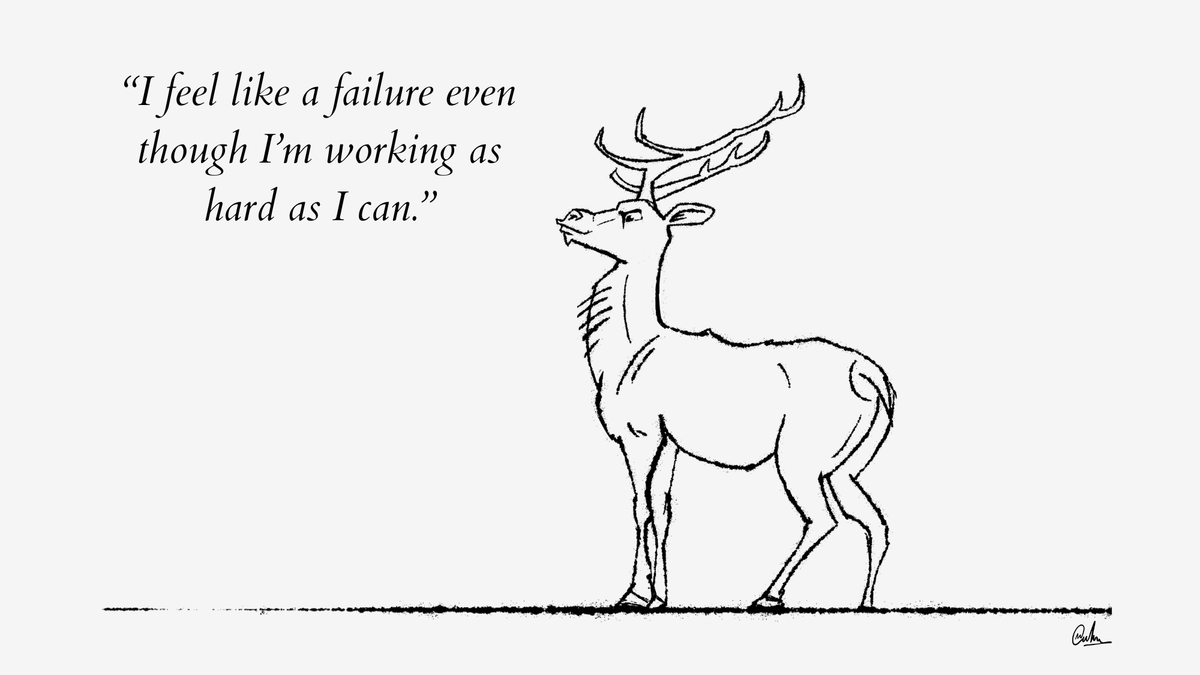
There are periods in leadership where the work becomes everything.
You wake up thinking about it.
You carry it through the day.
You bring it home, even when you don’t mean to.
From the outside, it can look like progress. You're being consistent, disciplined, and committed.
But inside, something feels off, because the effort is there, and the result, at least in the way you expected it, isn’t.
So the conclusion becomes simple:
"I must be failing."
The voice that follows is familiar.
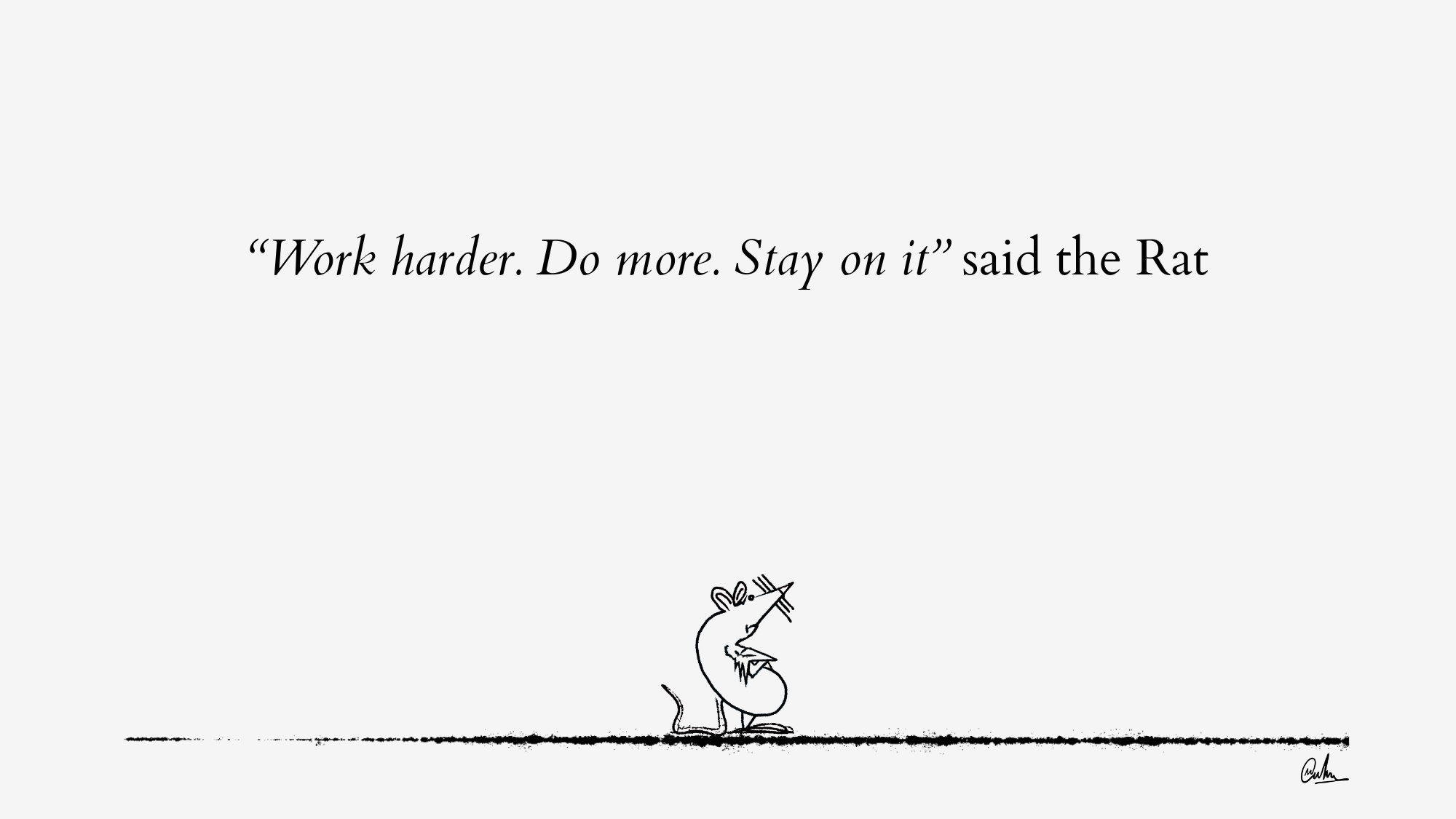
It sounds practical. It sounds necessary, but it changes the way you lead.
Your focus tightens, your decisions speed up and you start responding instead of choosing.
Strategy gives way to your urgency, and perspective is replaced by proximity.
You are in it, but no longer above it.
And yet, the pressure is real.
There are targets.
There are people depending on you.
There are consequences if things don’t move.
So you keep going, but something in the way you’re measuring yourself starts to distort what you see.
Because most leaders don’t measure backwards.
They don’t pause long enough to recognise what has already been built, what has been carried, what has changed.
They measure forward against outcomes that haven’t happened yet, or against people who are further ahead.
And when that becomes the only reference point, the feeling of failure is inevitable.
You can be making progress and still feel behind.
You can be growing and still believe it’s not enough.
You can be holding more than you ever have and still think you’re falling short.
So the question shifts...
Not
“Why does this feel so hard?”
but
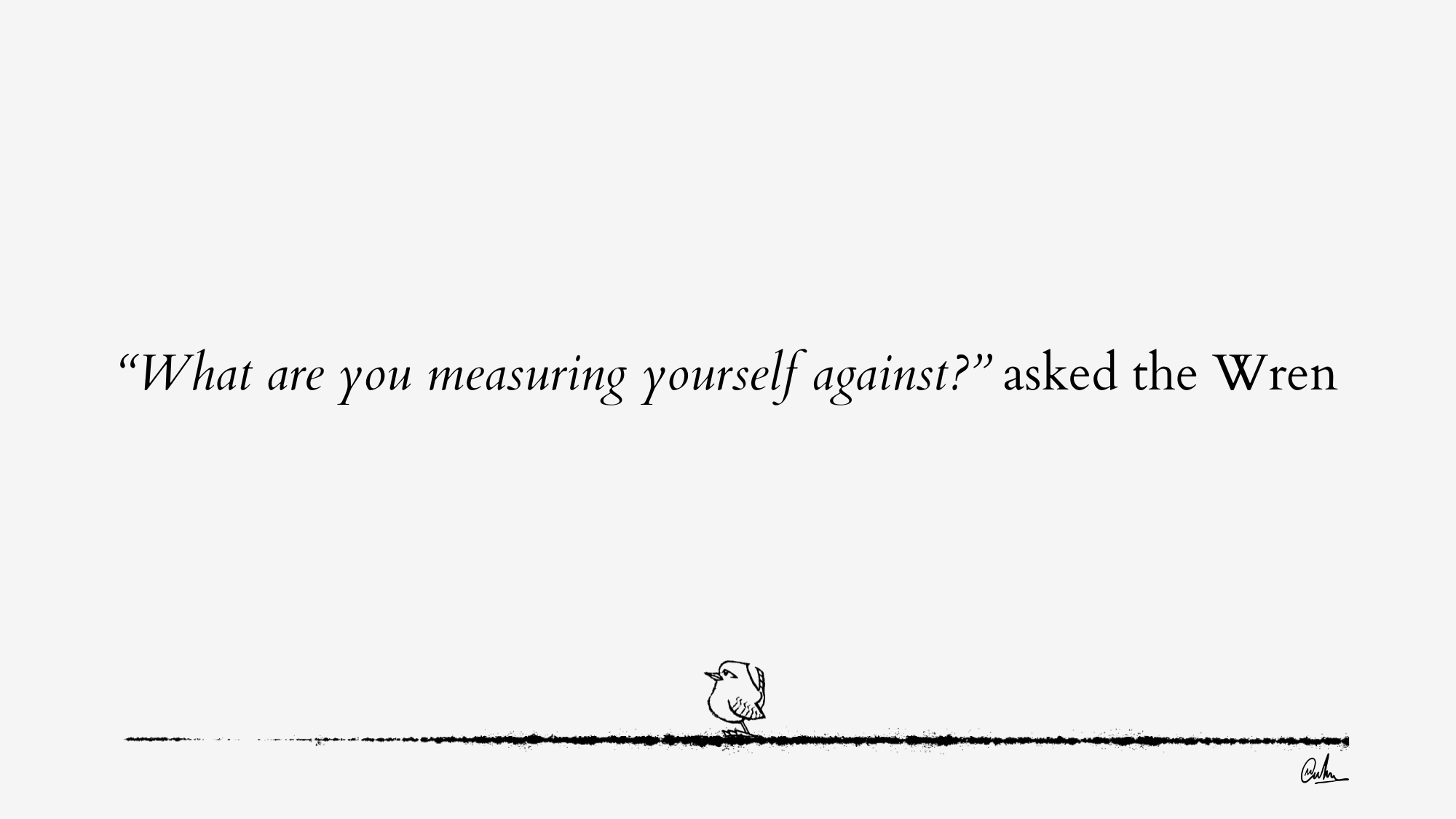
“What am I measuring myself against?”
Is it someone else’s visible success?
A business further along, a life that looks more complete, a version of leadership that appears effortless from the outside?
Or is it something closer?
Who you were before the responsibility increased, before the decisions carried weight, before people looked to you to hold it together.
Because there is a difference.
When you measure against others, you inherit their timeline without understanding their path.
When you measure against yourself, you start to see what has actually changed.
Not just in output, but in capacity.
What you can hold.
What you can face.
What you can decide without needing reassurance.
This is where confidence is rebuilt. Not through more effort, but through recognition.
Most leaders don’t lack drive.
They lack a way of seeing their own progress that isn’t distorted by comparison or expectation.
So they keep pushing, hoping the feeling will catch up with the work.
It rarely does.
Because the issue was never effort.
It was the measure, and when the measure changes, something else changes with it.
The pressure doesn’t disappear. The responsibility doesn’t lighten, but your relationship to both becomes steadier.
You stop chasing a feeling of “enough” that keeps moving.
You start leading from where you actually are.
And from there, the work becomes clearer again.
If this is something leaders in your organisation need, let’s talk.
Andrew Sillitoe is a former international athlete and coach. He lives in Prague with his wife and four children.
His father died when he was sixteen. He learned to be strong by hiding everything that felt weak. By forty-two, the armour he'd built was crushing him.
He moved to Prague. Started walking by the Vltava River. Began writing short dialogues between three voices and a river.
These stories became the language he wished he'd had at sixteen. And still needs now.