The Stags Journey
The Stag stepped forward. He wasn't ready. But he stepped forward anyway. He rebuilt the paths. Grew the herd. Kept watch.
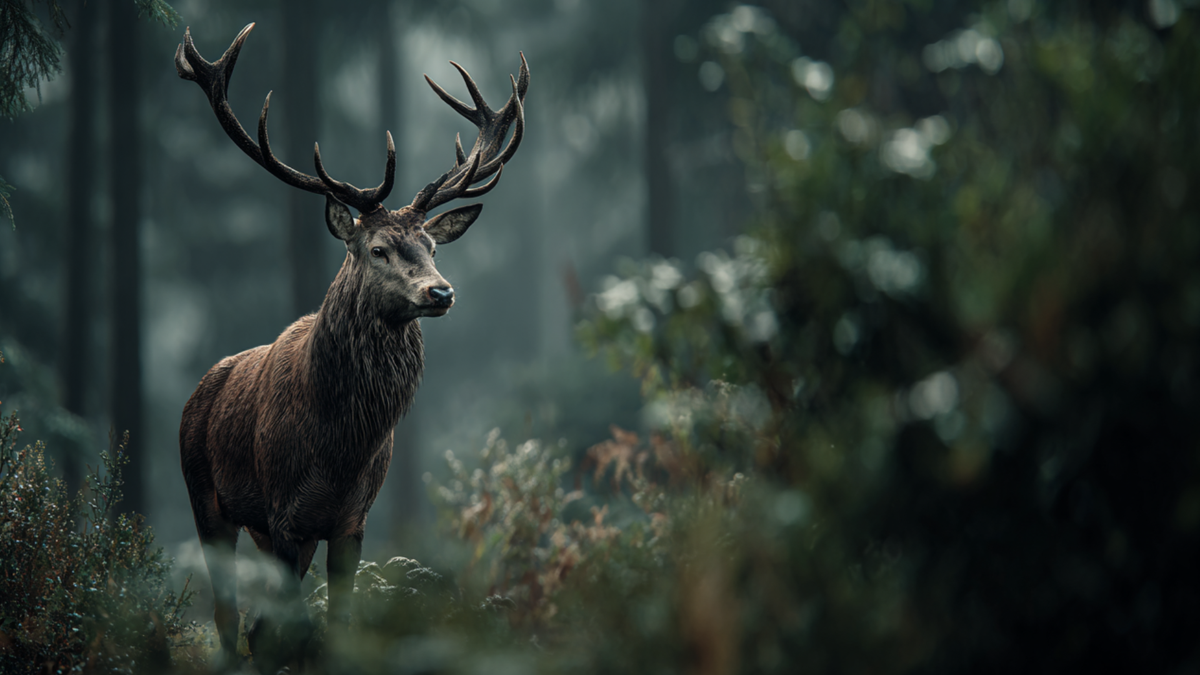
The Stag's father held the forest together. When he was there, the herd felt safe. The Stag was young when his father died. Too young. His older brother was supposed to lead next.
He was strong. The herd believed in him. But he got sick. And then he was gone too. The herd stood still. No one moved. No one spoke.
So the Stag stepped forward. He wasn't ready. But he stepped forward anyway. He rebuilt the paths. Grew the herd. Kept watch.
Years passed. And he never once stopped to feel what he'd lost.
The Stag was tired. Not the kind of tired that sleep fixes. The kind that settles in your bones.
Each morning he woke before the others. Checked the forest. Made decisions. Kept everyone safe.
The Rat was always there.
“Stay alert,” it whispered.
“They’re counting on you. Don’t let them see you struggle.”
The Stag told himself he just needed rest.
But when he tried, the Rat said, “Not yet. Not safe. Keep going.”
One evening, a younger stag asked him,
“Do you ever stop thinking about what could go wrong?”
The Stag snapped.
“If I stop, who will?”
The younger stag stepped back, hurt, and walked away.
The Rat spoke quickly.
“He needs to understand the weight you carry.”
“Stop,” said the Stag.
The Rat didn’t.
That night, an old stag found him alone.
“I used to live like you,” the old stag said.
“Carried everything. Until I couldn’t. That’s when I found the River.”
“The River?”
“A place where the forest opens. The water runs clear. There’s a bird there — a Wren. It helped me see what I was actually carrying.”
The Stag felt something loosen.
Then the Rat spoke.
“What if something happens while you’re gone? What if they realise they don’t need you?”
So the Stag stayed.
And grew more tired.
Three days later, he left before dawn.
The Rat was already talking.
“This is a mistake. Turn back. They need you.”
“I know,” said the Stag.
“But I’m still walking.”
The forest grew quiet.
No familiar paths.
Only trees and the sound of his breath.
“You’re exposed,” said the Rat.
“Anyone could see you.”
“I know,” said the Stag, quieter now.
Then a small voice from above.
“Why are you walking?”
A tiny bird sat on a branch.
“Are you the Wren?”
“I am. Why are you walking?”
“I’m looking for the River.”
“And why are you looking for the River?”
The Stag paused.
“Because I’m tired.”
“Of what?”
“I don’t know.”
“Then keep walking,” said the Wren.
They walked together.
Sometimes the Wren flew ahead.
Sometimes behind.
By midday they reached a clearing.
Open.
No cover.
“Go around,” warned the Rat.
“What do you see?” asked the Wren.
“Danger.”
“Where?”
The Stag looked again.
Trees. Sky. Stillness.
“I don’t see any danger.”
“Then what are you afraid of?”
“Being seen,” said the Stag.
He stepped forward.
His legs shook.
The Rat shouted.
Nothing happened.
By evening, the Stag heard water.
The Rat went quiet.
“That’s strange,” said the Stag.
“What is?”
“The Rat.”
“What is it afraid of?” asked the Wren.
The Stag stopped.
“I don’t know.”
The sound of water grew louder.
“What if I can’t do this?” said the Stag.
“Do what?”
“Stop. Rest. Be here.”
“You already are,” said the Wren.
The trees opened.
The River.
Wide.
Clear.
Steady.
The Stag stood at the edge.
He expected relief.
He felt nothing.
The Rat returned.
“See? Nothing here. The herd could be in danger.”
The Stag turned away.
“Wait,” said the Wren.
“What are you feeling?”
“Nothing.”
“Where?”
“My chest,” said the Stag.
“It’s tight.”
“Stay.”
He stayed.
The tightness grew.
Then cracked.
His breathing changed.
And he cried.
The Rat said nothing.
The Wren said nothing.
The River flowed.
After a while, the Stag breathed again.
“I don’t know what happened,” he said.
“But something shifted.”
The Rat spoke softly.
“This isn’t safe.”
“I know,” said the Stag.
“You were trying to protect me,” he said.
“All this time.”
Silence.
“I’ve been fighting you,” he said.
“But you were keeping me alive.”
He closed his eyes.
“I love you, Rat.”
The River flowed.
The next morning, the Stag walked back toward the forest.
The Rat stirred.
“Let’s go.”
The Stag smiled.
“Maybe.”
When he returned, the herd was grazing.
The forest was quiet.
The younger stag approached him.
“Where were you?” he asked.
The Rat began to speak.
The Stag paused.
Breathed.
“I needed rest,” he said.
“So I went to the River.”
The younger stag nodded.
“I’m sorry,” said the Stag.
“It’s okay,” said the other.
The Stag still led.
Still decided.
The Rat still spoke.
But now the Stag could hear it as a voice —
not the truth.
And when the forest felt heavy,
he knew where to walk.
The Four Voices
The Stag returned to the forest, and at first nothing seemed different. The herd still grazed. The wind still moved through the trees. The Rat still spoke.
What had changed was quieter than that.
He could hear the Rat without mistaking it for truth. He could hear the Wren without dismissing it. And he knew where the River was.
You will recognise them. You already have.
The Stag is you under pressure. Chest tight, mind racing. The Stag carries everything and can’t put it down.
The Rat is your defence. Quick, protective, relentless. Don’t let them see. Stay strong. Do whatever it takes. The Rat has kept you alive — but it’s exhausting you.
The Wren asks the question you haven’t asked yourself. Not to give answers, but to create space. What are you defending? What remains when the defence drops?
The River is where the voices become clear. Away from the noise, you can finally hear which one is speaking, what it’s protecting, and whether you still need that protection.
The dialogues that follow are not lessons. They are moments — the kind that arrive in meetings, in conversations, in the silence before a decision. Moments when the Rat grows loud. Moments when the Wren asks a question you would rather avoid. Moments when something tightens, and something else becomes possible.
I shared them with men who were still performing. Still delivering. Still carrying everything. And starting to wonder what it was costing them.
They said, “That’s me. That’s exactly what I’ve been doing.”
I don’t think these dialogues work because they teach anything. They work because they help you notice.
“Oh. That’s the Rat.”
And when you notice, you have a choice. Believe it. Or ask a Wren question.
That’s the whole thing. Just notice.
You can read them in order. Or you can open to the one the forest is asking for.
The River does not rush. It remains where it is.
When Defence Has Taken Over
Your mind is running even when nothing is happening.
You replay conversations you can't change.
You prepare for problems that haven't arrived.
Rest doesn't rest you.
You feel responsible for everything — and trusted by everyone — and known by no one.
You are not broken.
You are defending.